Philosophy is often a misunderstood topic. Wittgenstein gave a great characterization of philosophy: Philosophy is not a body of doctrine but an activity. You may get interesting definitions if you ask your friends about ‘What is philosophy?’. Some of them may say that “It is religious” or “It is spiritual” or “atheistic” or “communism” (I got this!) or “ethics” etc.
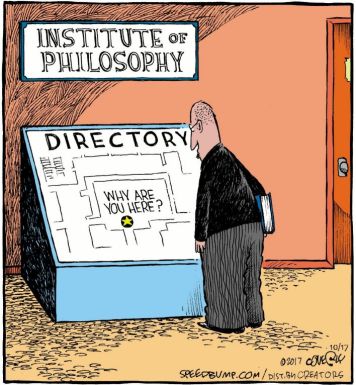
There is a Malayalam saying which goes, ചിന്തിച്ചാൽ ഒരു അന്തവുമില്ല ചിന്തിച്ചില്ലെങ്കിൽ ഒരു കുന്തവുമില്ല “Chinthichal oru anthavumilla, Chinthichillankil oru Kunthavumilla” (eng: If you think, there is no end. If you don’t think, it doesn’t matter). People often miss the indirect benefits of philosophy. Gaining interest in philosophy is often a distraction especially for a doctoral research student. Thinking, debates, discussions,…, are some of the changes after having the philosophy-bug.
A good discussion/debate is a treat to anyone. Irrespective of winning the argument or not, the outcomes drive more reading and involvement with the specific subject. Philosophy discussions improve critical thinking and persuasive skills. I think the most important benefit (for an open-minded person) is enhancing empathy and purpose for life.
It is interesting to investigate what makes a good debate. A set of rules which encourage ideas, rationality, and learning is a good start. Here is a set of a rule for a fictional debate club which I prepared early this year. The idea of the rules is inspired from the fight club (1999).
|
Delight Club – ‘That Dear Delight’ Club A place for philosophy debates. Rule 1: You don’t need to read books to become a philosopher. Thinking and interest in discussions will make you a philosopher. Rule 2: Ideas matter most. There is no point in proving the merit of famous philosophers or a particular society or lifestyle. The history or legacy is limited to remember the idea and vocabulary. Rule 3: The debate is only for learning. You will gain the knowledge if you lose the debate. Rule 4*: Philosophy is not a body of doctrine but an activity Rule 5: Mistakes or incorrect judgement on events or people are common in debates. The apology will reverse the act. The intentional prejudice remarks are not entertained. Rule 6: The speaker should be patient enough if his or her arguments is based on belief or metaphysical arguments. Rule 7: There is a merit in every crazy idea. The paradigm change happens only with imagination and creativity. Rule 8: You do question about Delight Club rules. (*copied. Rule 2 allows plagiarism as long you are not owning any claim) |
Please feel free to comment on your take.
(PS: This is the first blog in this site. )
 That Dear Delight